INSIDE EXCENTRIC’S OPEN DEMO DAY 2: ROMAEUROPA PROGRESS UPDATES
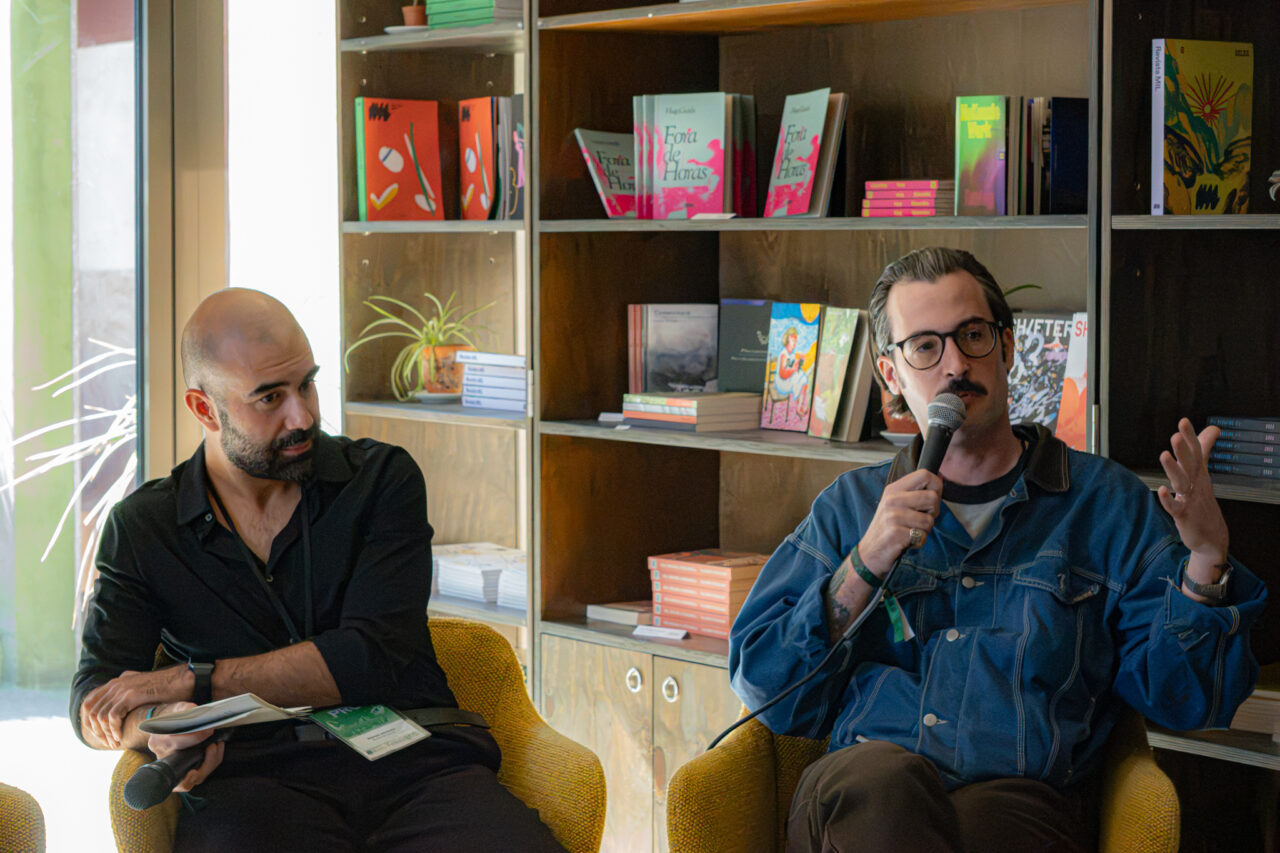
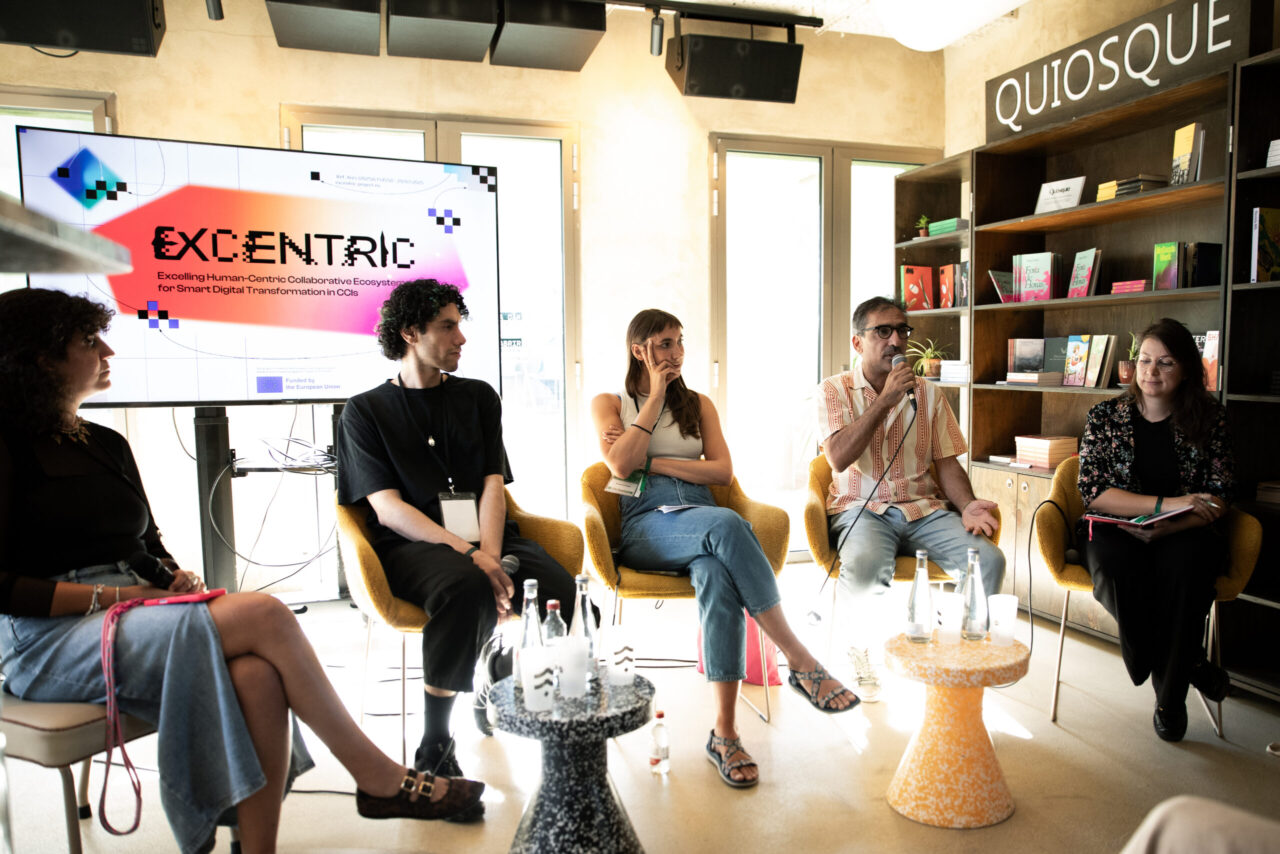
On 16 September 2026, two EXCENTRIC pilots took their work in progress to MIL Festival 2026 in Lisbon for the project’s second Open Demo Day, co-organised with LIVE DMA. Fondazione Romaeuropa and Cultural Trend Lisbon each led a 60-minute panel. Each one combined a short case study from the pilot with an open panel and peer discussion among live-sector professionals.
Open Demo Days are where EXCENTRIC pilots test their progress in public, mid-implementation, and collect feedback that goes back into the tools and practices being developed.
Romaeuropa: From a Marketing Plan to a Community Engagement Plan
The Fondazione Romaeuropa pilot has reached a turning point. Its audience data told the festival that young people are not asking for more social media stories. They want to take part. In response, Romaeuropa has replaced its annual marketing plan with a community engagement plan, and early results are strong.
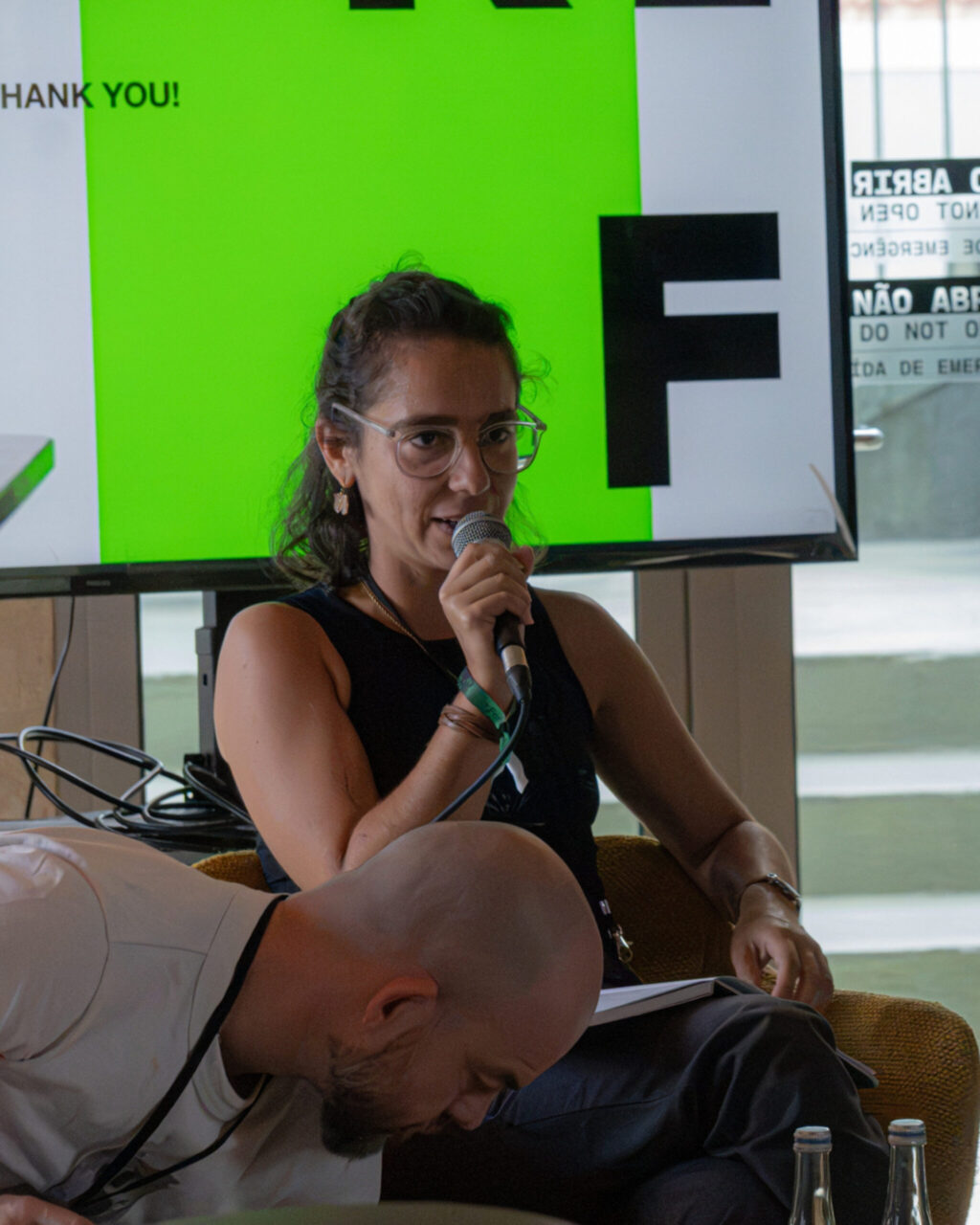
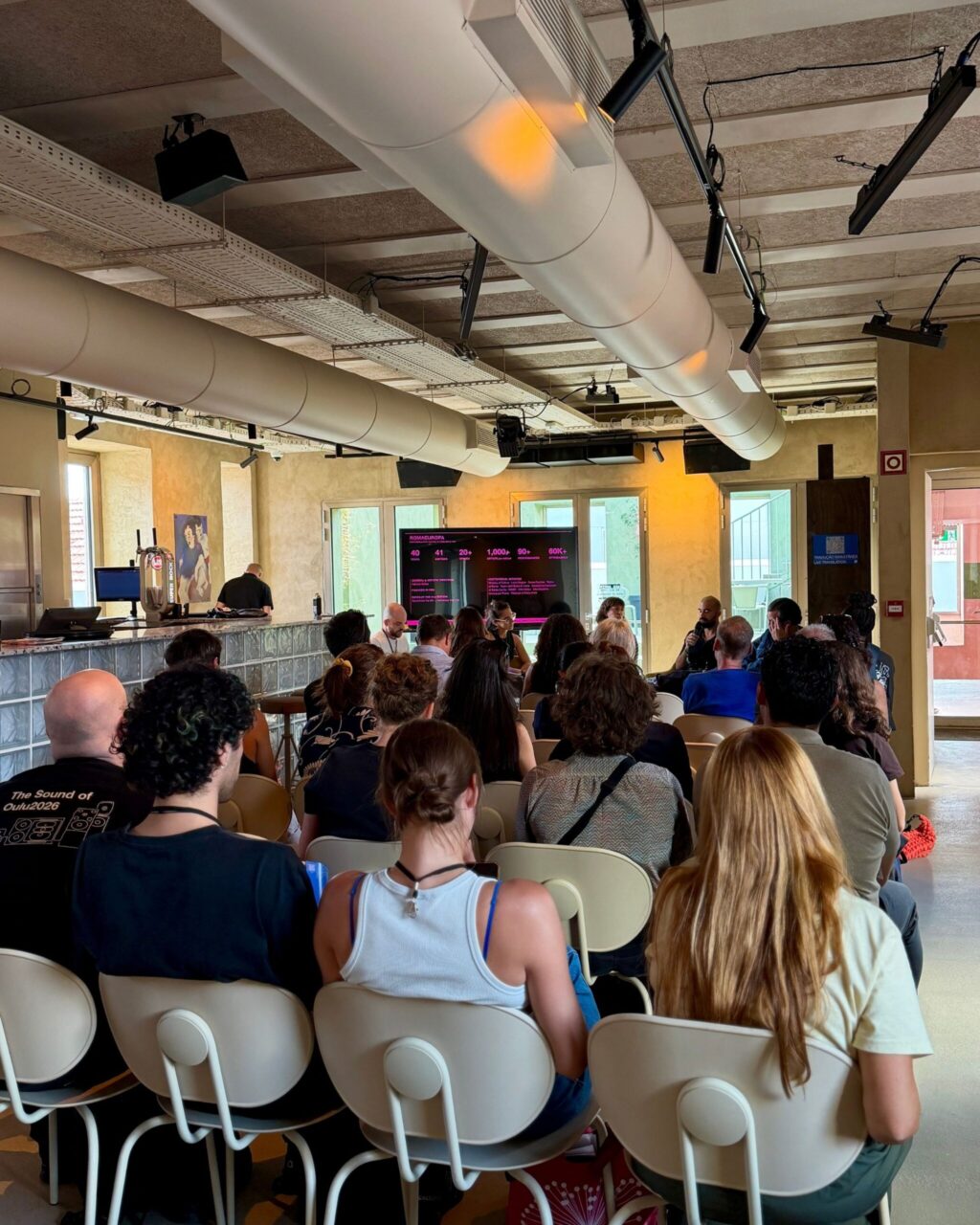
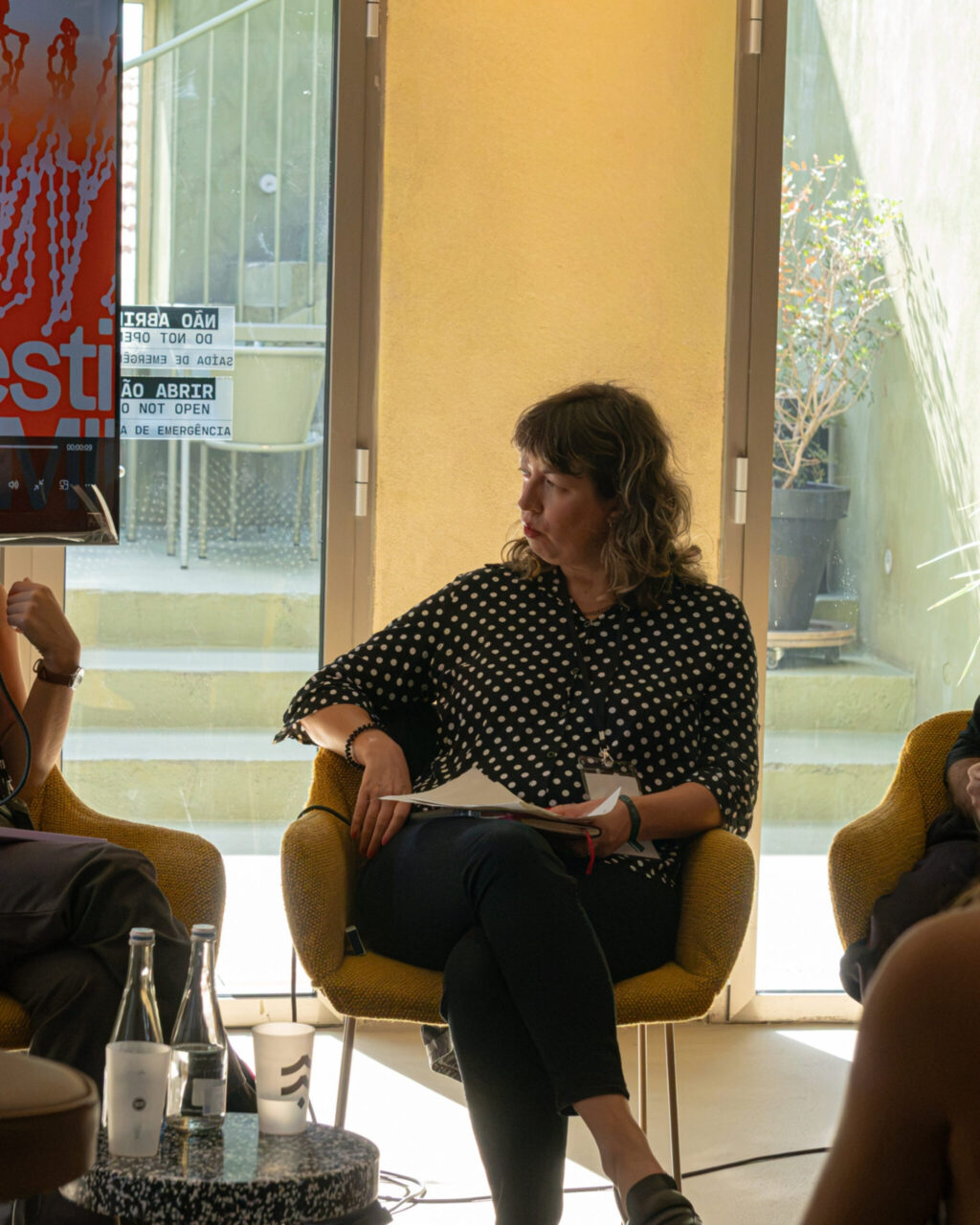
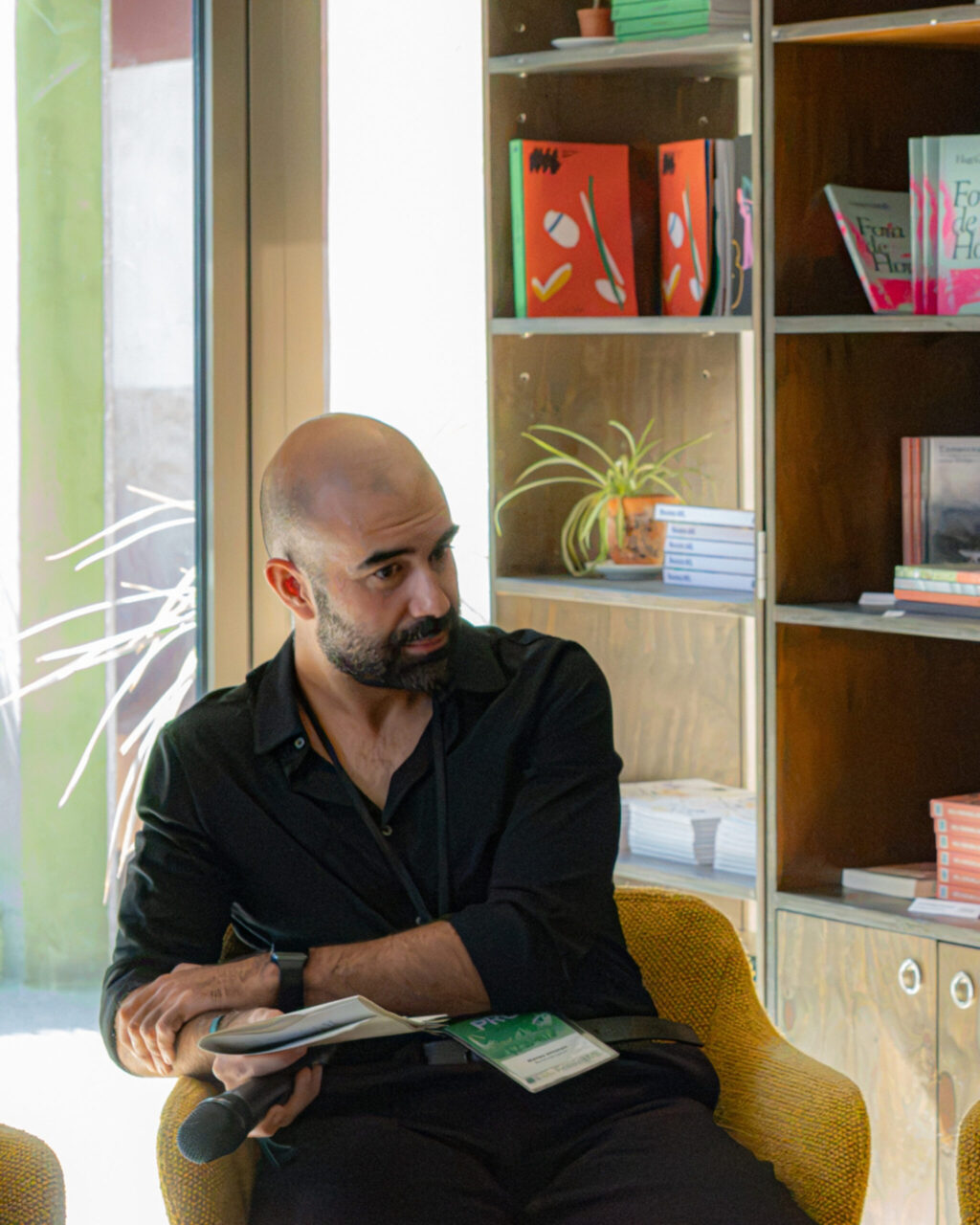
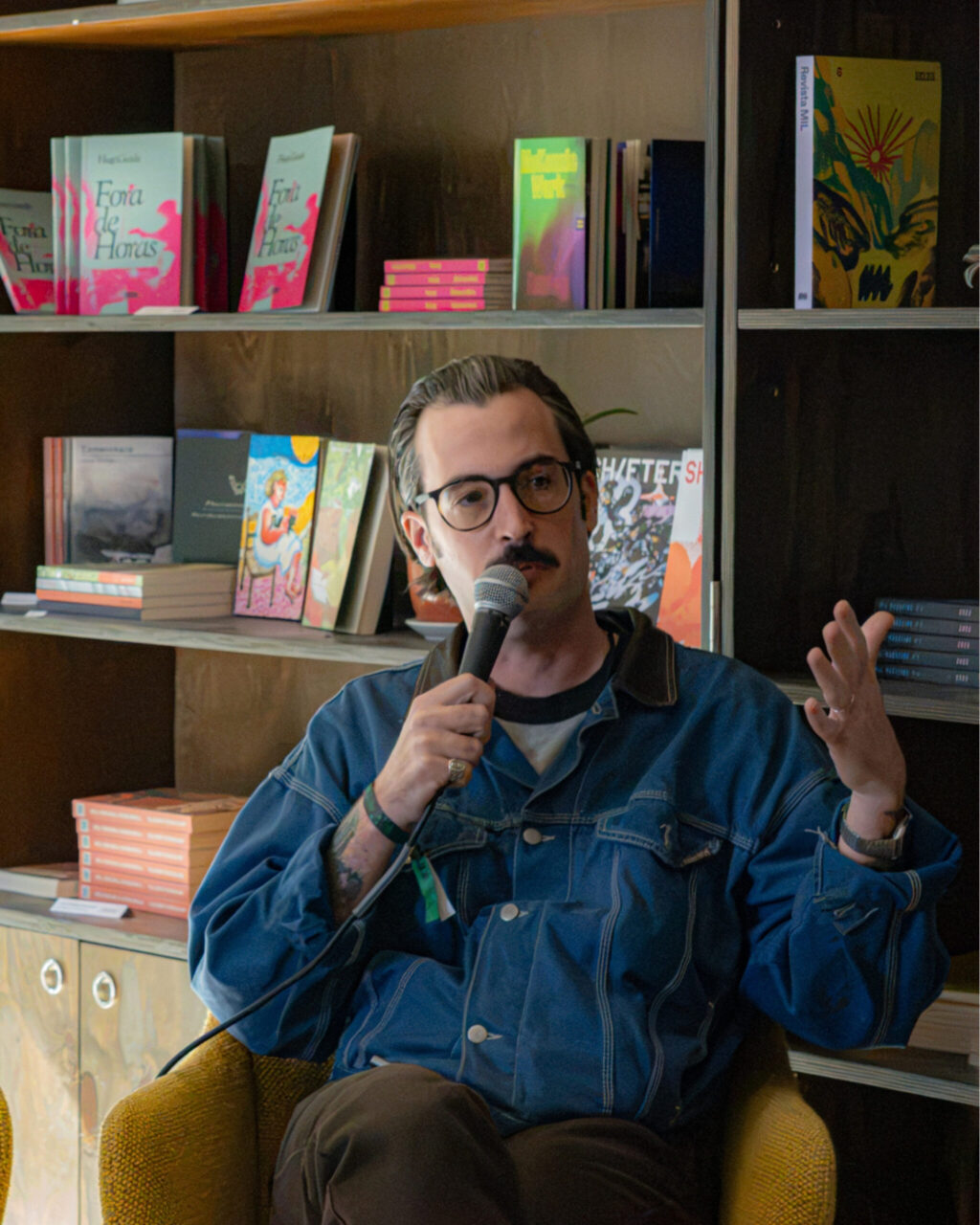
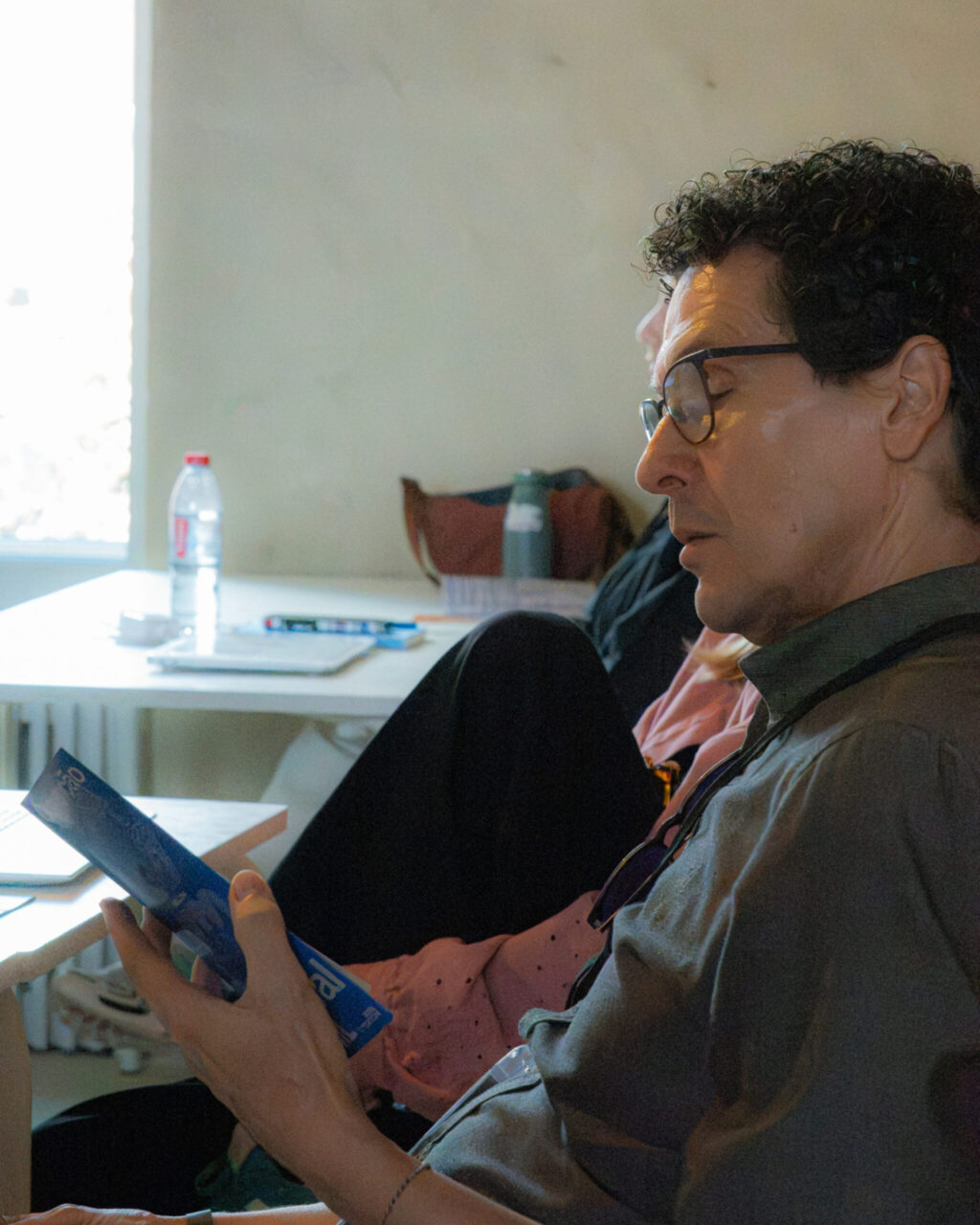
Stop Guessing, Start Listening: Methods That Shift Festival Curation · moderated by Ken Veerman
The pilot in context
Romaeuropa Festival is now in its 41st edition. It runs for about two and a half months and brings around 1,000 artists and 100 performances to Rome across music, theatre, dance, digital art and work for children and families. The festival has no venue of its own. It programmes across partner spaces, from the national and opera theatres to the former Mattatoio slaughterhouse in Testaccio, where most of its programme for younger audiences takes place.
That spread of venues and disciplines means many different audiences. Within EXCENTRIC, the pilot focuses on understanding and growing those audiences, especially people under 35, through better use of ticketing and audience data, segmentation and pricing.
The pilot is led jointly from two sides of the organisation. Matteo Antonaci represents artistic programming and curates the festival’s music section for under-35s. Claudia Cottrer leads audience development and data. As Matteo put it, EXCENTRIC is also helping the two departments “understand each other”.
The tools in development
In EXCENTRIC, Romaeuropa leads the pilot on Targeted Audience Growth & Dynamic Pricing. Its starting point is practical. Tickets are sold through several channels, and each one records data in its own way, so it is hard to see a single, reliable picture of who attends. With Waag Futurelab, which coordinates EXCENTRIC’s technical development, the pilot is building a unified data solution with four parts:
- One standard for ticketing data. Data from every sales channel is brought into a common format and stored in Romaeuropa’s own Solid Pod. A Solid Pod is a personal data store, so the festival keeps ownership of its data and decides what is shared and with whom.
- Audience segmentation. On that foundation, the team can build a clearer picture of its different audiences: who comes to which strands of the programme, and who is still missing, starting with people under 35.
- Data-informed pricing. The same data will support decisions on pricing per show and per audience. EXCENTRIC is also exploring predictive tools where they add value, designed so that revenue is never optimised at the expense of the festival’s values, such as access for younger audiences.
- Fair data governance and staff learning. Clear rules on how audience data is collected, used and shared, plus training resources so staff can use the tools in their daily work.
The Lisbon session showed the other half of the pilot. The focus groups, questionnaires and community conversations described below are the qualitative layer that the data tools are designed to sit alongside, not replace.
What the pilot has learned so far
Time and trust. Two words kept coming up in the pilot’s EXCENTRIC sessions. Teams lack time to listen to audiences and to build relationships with artists. Meanwhile, decisions driven by numbers can cut those relationships short. Matteo gave an example: a young Italian songwriter played a 174-seat theatre in 2023 and sold only 74 tickets. The festival brought him back this year because it trusted his live show rather than the sales figures. If the team had listened only to the data, he said, “we might have lost the opportunity to grow up with an artist.”
A counterintuitive finding. Claudia described the starting assumption: a 40-year-old festival knows how to programme, but maybe the communication needed to adapt and evolve. For that, focus groups and questionnaires with young audiences were carried out as part of the pilot. “It’s not TikTok stories, it’s not a following on Instagram,” she said. “It’s really the need to be involved and to be part of the project and of a community.” Young people are not only the audience of the future, she added. Often they are its artists too.
Listening beyond consumption data. Romaeuropa still collects data and values it, especially for marketing and communication. But the pilot is widening what counts as a signal: emotions, perceptions, a sense of belonging and a sense of place. Because the festival has no home venue, matching the right artist to the right space is critical. “We are listening to the way they are experiencing their experience within the festival.”
What has changed in practice
The biggest shift is organisational. “We realised thatseveral aspects of marketing and communication needed to change” Claudia said. Romaeuropa no longer writes a marketing plan. It now produces a yearly community engagement plan, which focuses on building relationships with communities rather than selling shows to target groups.
One example: to grow the festival’s electronic music programme, the team has gone to local electronic music events and opened conversations without promoting the festival at all. Instead they ask, “What do you want to do with us?” The festival is also working with youth initiatives such as the Dominio Pubblico open call.
According to Claudia, the past six months have been “incredibly successful” in both community engagement and ticket sales, with the festival as a hot topic in the city’s cultural agenda.
What the panel added
Two guests brought comparable approaches from other contexts.
- Rafaela Pereira, Festival Aqui ao Lado (Portugal). This free, multidisciplinary festival runs in Massamá, outside Lisbon. Most of its programme comes from an open call for artists, which received 2,047 applications this year, and around 6,000 people attended. Curation is done by a team with different perspectives, which keeps the festival open to its neighbourhood.
- Rodrigue Mercier, L’Echonova and MaMA Festival (France). As a programmer, Rodrigue uses charts, Shazam and streaming statistics, but says they are not enough. He set up a Young Organisers Committee of eight people aged 15 to 22. They meet twice a month, attend concerts and co-create an event, and they show him how young people really find music. “I couldn’t get that from data alone.”
The panel agreed that data should inform decisions without driving them. Ken Veerman noted that the session title itself might need updating: listening is not enough if audiences are not also involved.