INSIDE EXCENTRIC’S OPEN DEMO DAY 2: CULTURAL TREND LISBON PROGRESS UPDATES
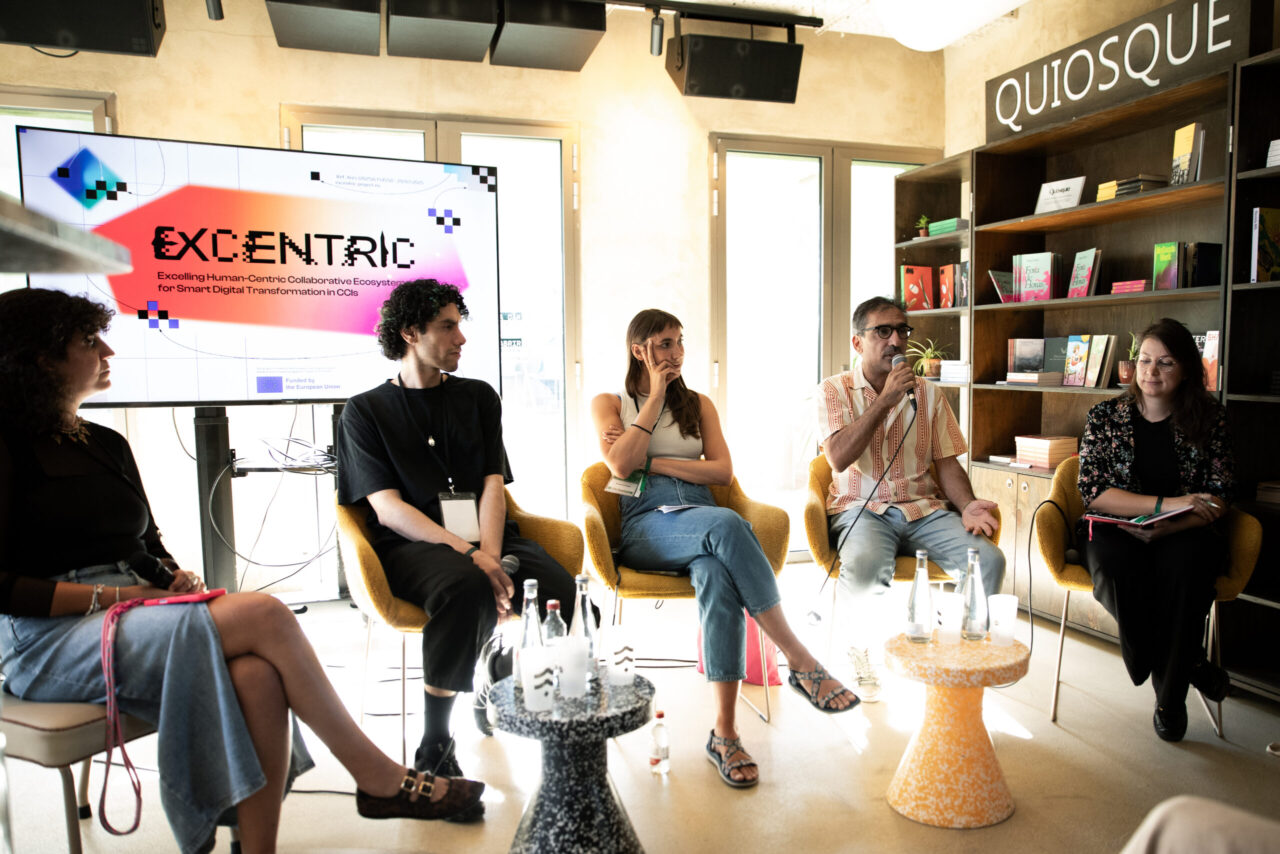
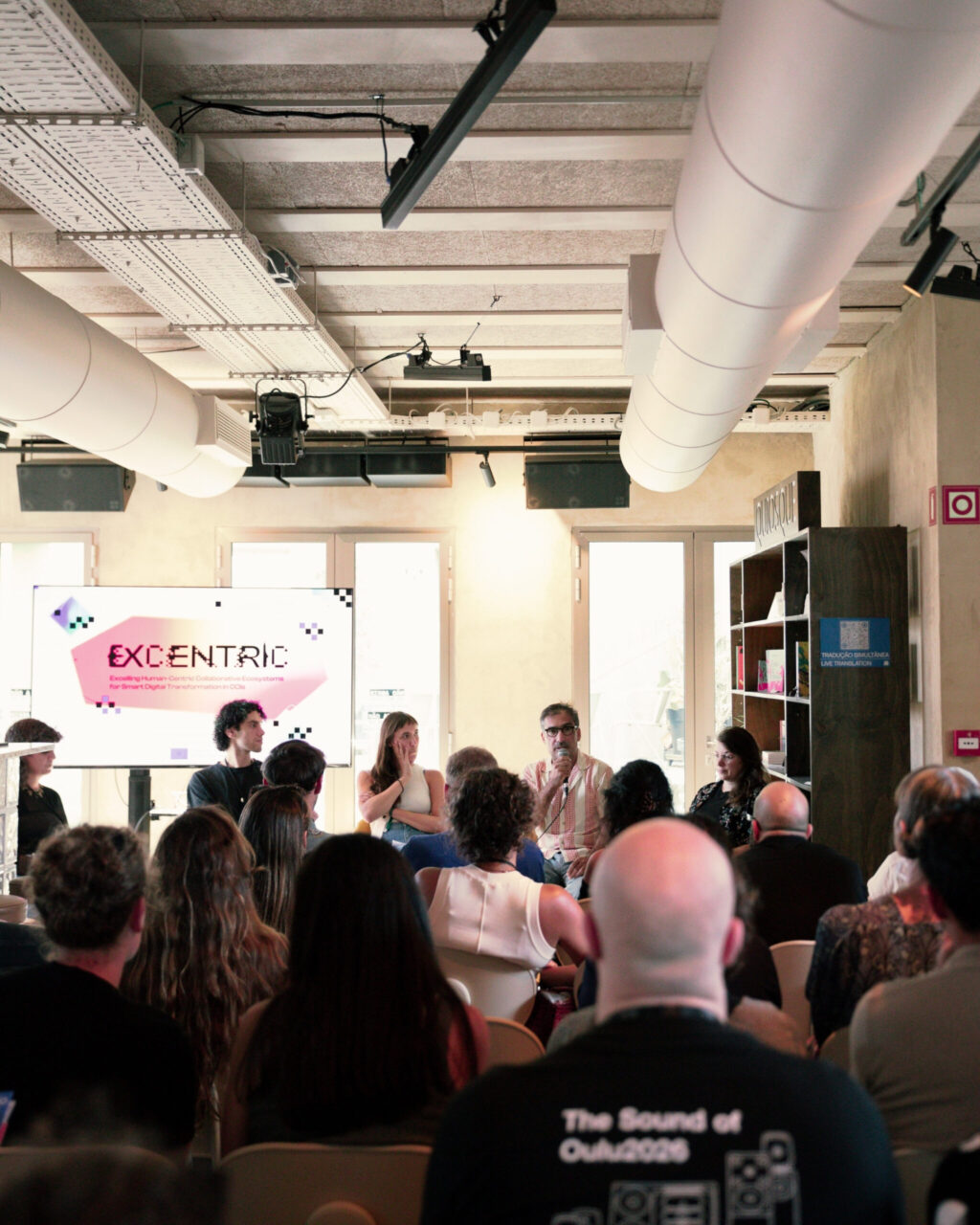
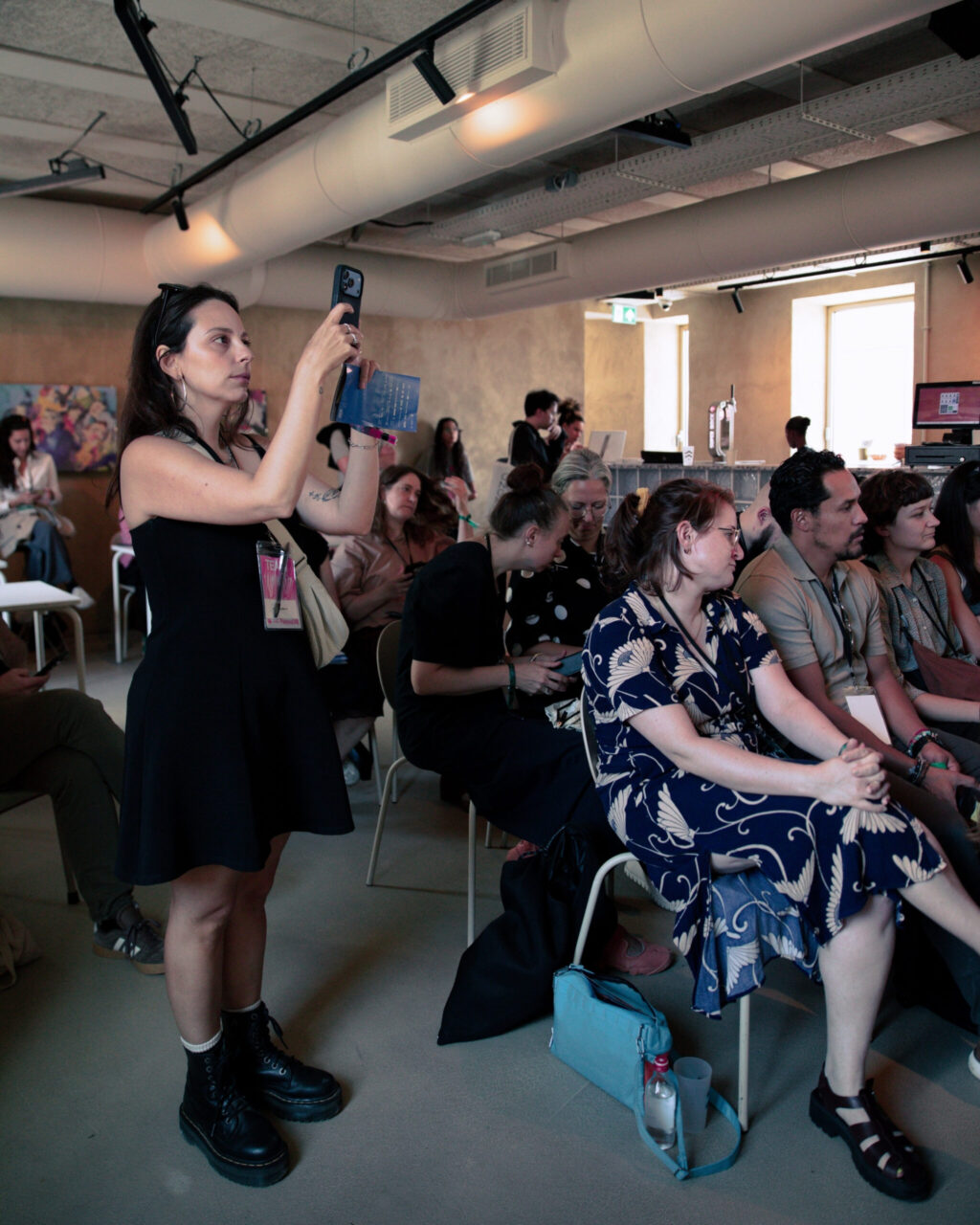
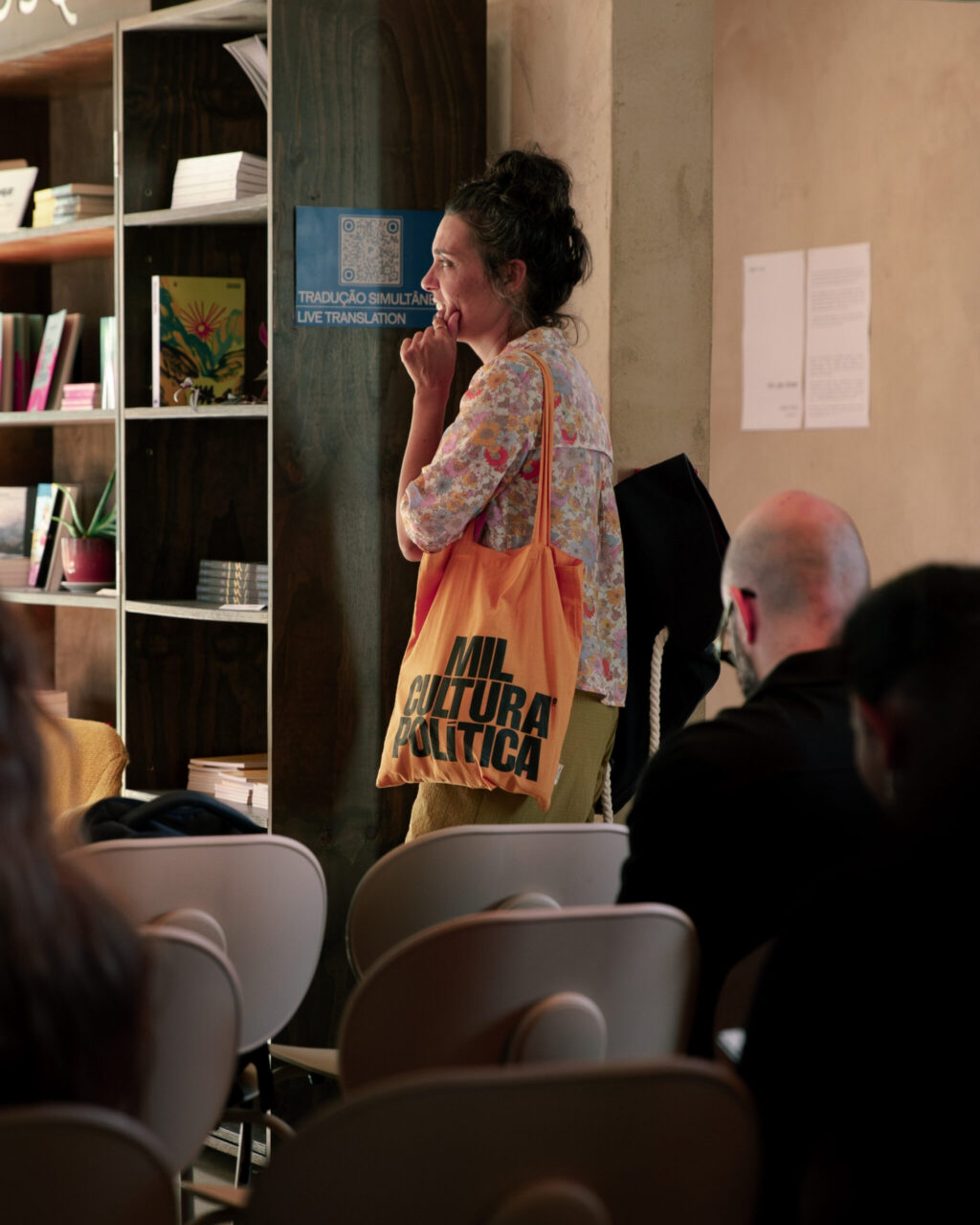
On 16 September 2026, two EXCENTRIC pilots took their work in progress to MIL Festival 2026 in Lisbon for the project’s second Open Demo Day, co-organised with LIVE DMA. Fondazione Romaeuropa and Cultural Trend Lisbon each led a 60-minute workshop. Each one combined a short case study from the pilot with an open panel and peer discussion among live-sector professionals.
Open Demo Days are where EXCENTRIC pilots test their progress in public, mid-implementation, and collect feedback that goes back into the tools and practices being developed.
Cultural Trend Lisbon: turning diversity data into indicators
After over a year of groundwork, the Cultural Trend Lisbon (CTL) pilot is now testing a prototype tool. The tool turns the organisation’s diversity data into indicators it can track year by year and compare with other venues. CTL runs MIL, the festival hosting the Open Demo Day, and the Casa Capitão venue. The pilot is being built with Waag Futurelab and a second venue, Sala Apolo in Barcelona.
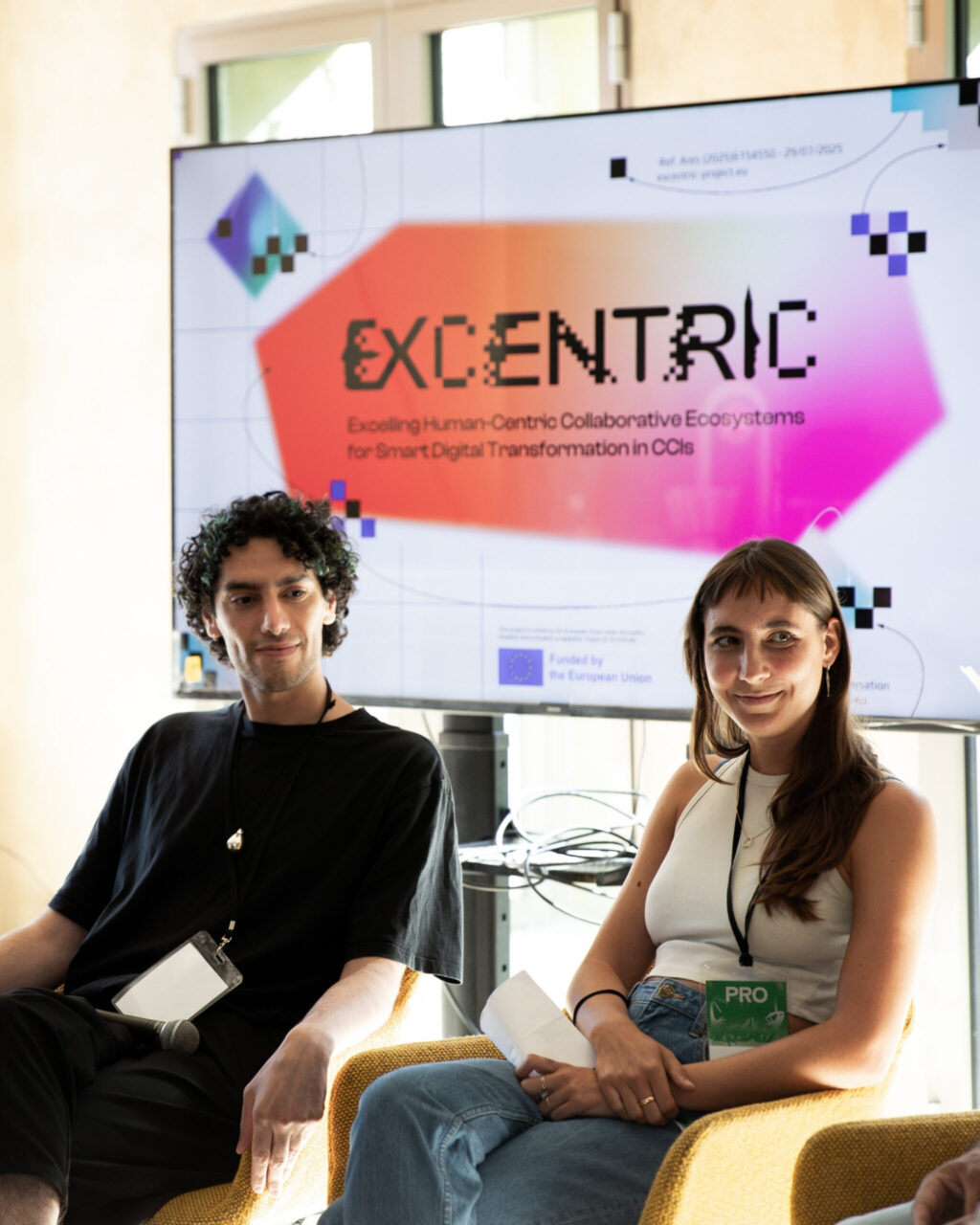
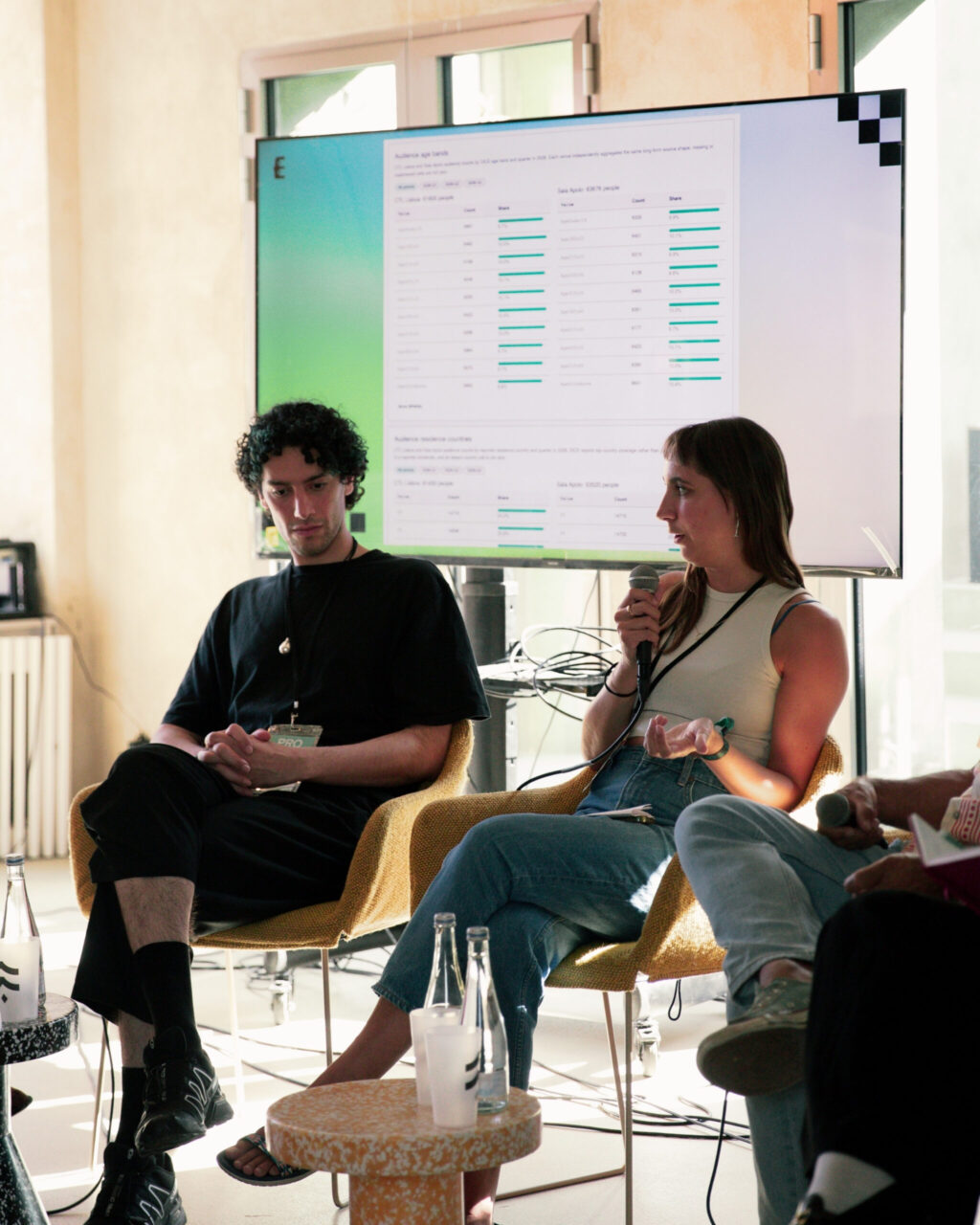
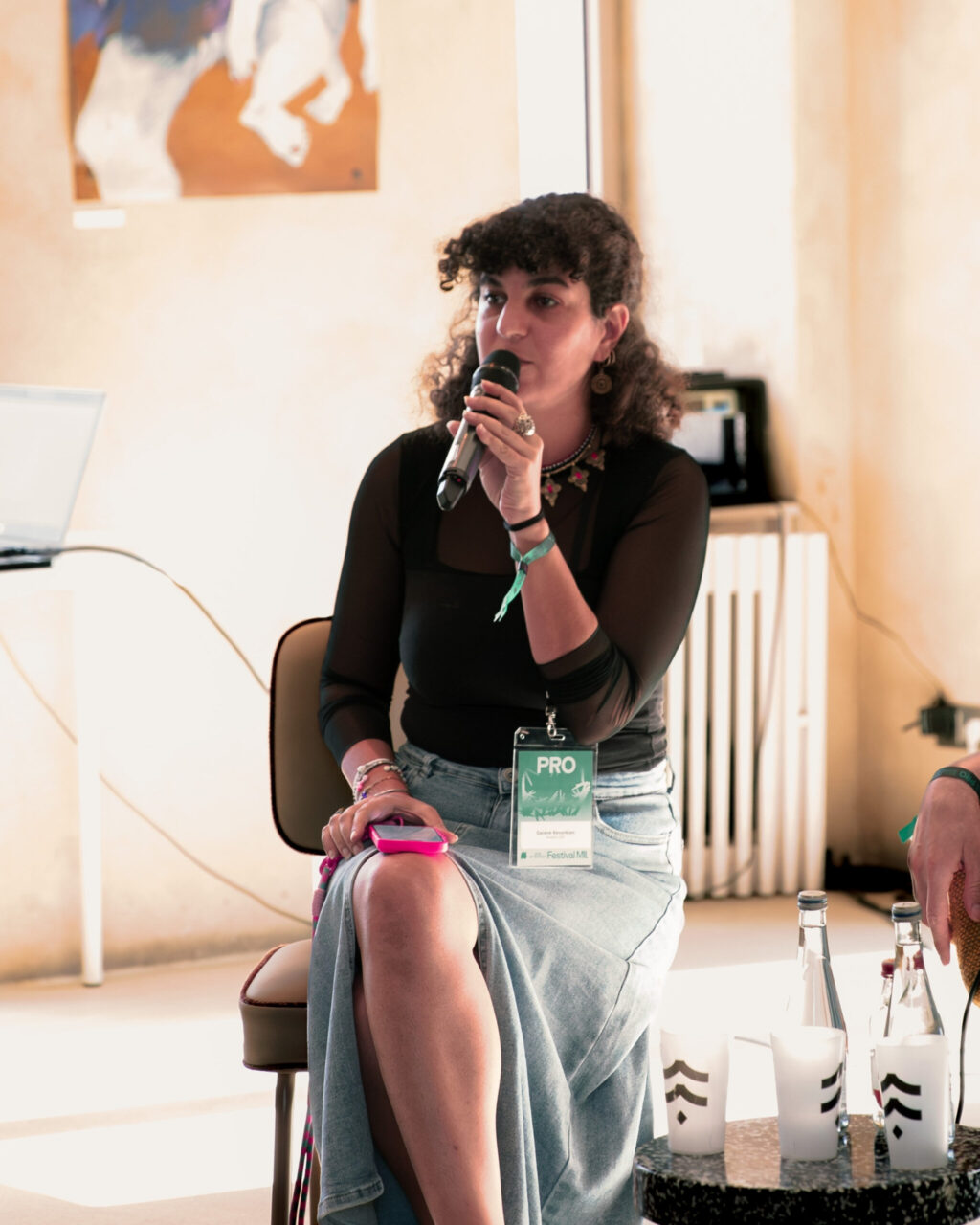
More Than Metrics: How Data Moves From Spreadsheet to Stage · moderated by Gaianè Kervokian (LIVE DMA / KeepOn LIVE)

Why diversity, and why data
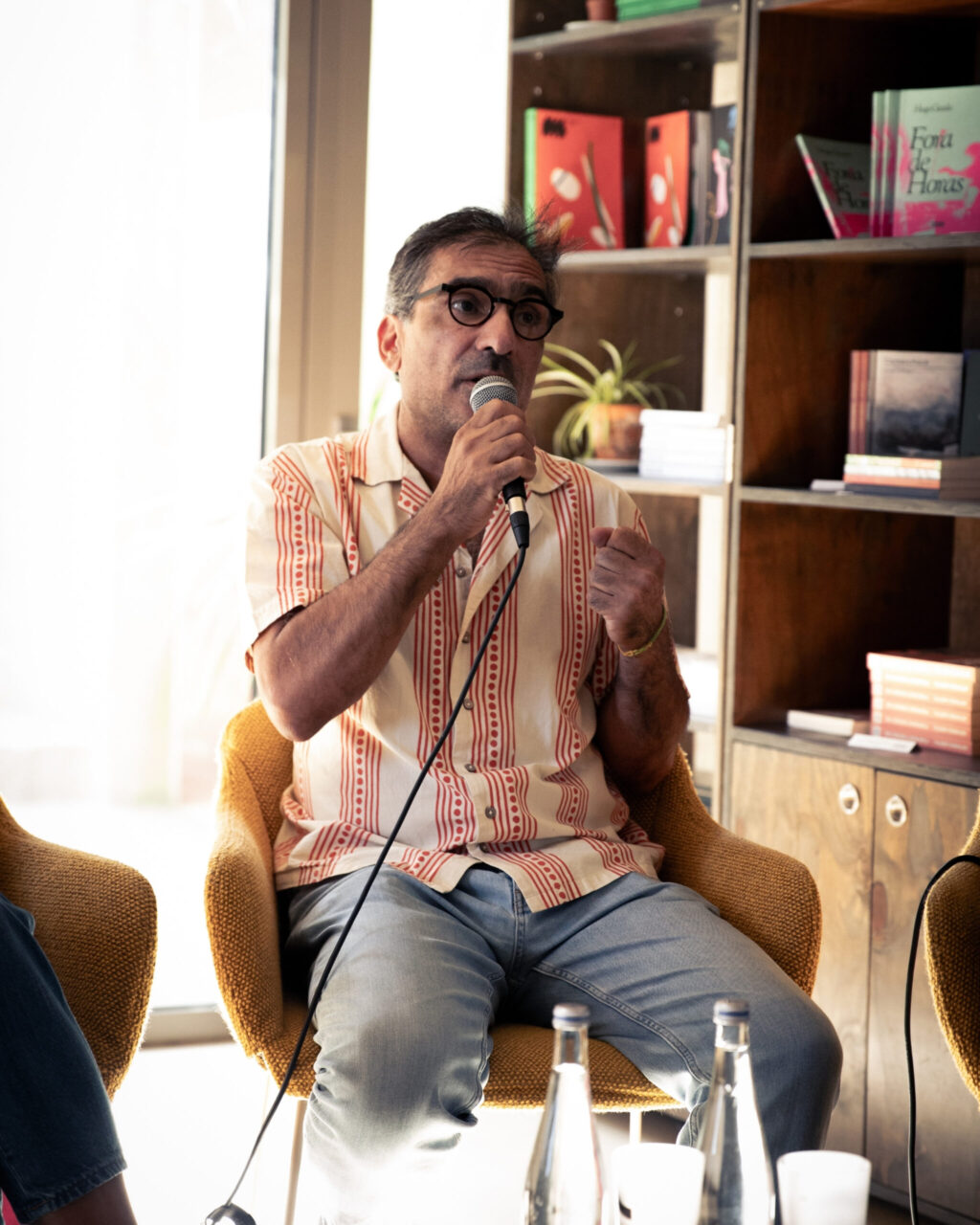
Gonçalo Riscado, CTL’s director, set out two reasons. The first is conceptual: culture is an exchange across society, so if not everyone is represented, “we are not doing our work well”. The second is practical. In CTL’s experience, more diverse programmes are better programmes, they reach more communities, and that makes the organisation more sustainable in the long run.
CTL began measuring after signing the Keychange pledge around seven or eight years ago. At the time its line-ups were far from gender balance. Within two years of active work, both the MIL festival and its conference reached parity. Over the past three years CTL has also started looking at ethnicity, using voluntary self-identification. Gonçalo pointed out that this is legally and practically difficult: “If we don’t ask the question, we cannot put numbers on what is not equal.”
One episode showed CTL why the pilot was needed. A group writing for the MIL magazine produced figures on ethnicity that differed sharply from CTL’s own. It turned out they had estimated them from photographs. That confirmed that accurate data, and a process to validate it, are essential.
What the pilot is building
The pilot works on two questions:
- Collection. How to collect diversity data correctly: which questions to ask, and how to fit them into everyday work.
- Indicators. How to combine the data into indicators CTL can set goals against and track every year.
The data comes from two main sources: ticketing data from DICE, and a form every artist or their representative fills in before a performance. Over the years CTL has added diversity questions to that form, which started out purely technical. Response rates are still a challenge. Coverage is easier to secure for a festival than across a full year, which at Casa Capitão meant 650 concerts last year.
Waag Futurelab, represented by Margherita Soldati and Pourya Omidi, leads the technical side. It is deploying an open-source platform based on Solid Pods. Each organisation keeps its data in its own pod and decides what to share with whom. Getting there took a lot of listening: the team mapped CTL’s questions in detail and brought in Carmela Milano, an expert on social indicators, as a researcher in residence. Together they turned each question into an indicator, matched each indicator to specific data, and traced where that data comes from.
The first indicators include gender pay gaps and whether non-male artists are being booked mainly in smaller venues. The platform is modular, so organisations can also define their own cross-sections of data and compare them with partners who have agreed to share.
How the tool works
The prototype follows the data through four steps:
- Ingest. Data from DICE ticketing, the artist forms and CTL’s own spreadsheets is mapped onto a shared vocabulary and loaded into CTL’s Solid Pod. Waag says this is the hardest step. Every organisation records data differently, some in dedicated tools and some in spreadsheets, and all of it has to be translated into one consistent structure.
- Analyse. Indicators are attached to the data in the pod, so CTL can see each year how close it is to its goals without rebuilding the analysis by hand.
- Share. CTL can give a partner access to selected data, at the level of detail and for the purposes both sides have agreed. Sala Apolo is the first organisation to go through this process with CTL.
- Compare. Organisations that share data can run the same indicators, or their own cross-sections, side by side, and learn from each other’s practices.
The pilot’s wider aim, set out at the start of EXCENTRIC under the title Cultural Programming & Resource Integration, is to connect data across CTL’s departments: programming, communication, production and finance. That matters more as CTL’s programming grows into new multidisciplinary spaces. Diversity is the focus of the current prototype, but the same infrastructure is built to carry other kinds of operational data.
The tools are developed as open source. Code and documentation will be published so that other venues and festivals can adapt and reuse them.
Where the pilot stands now
The prototype is being tested on three points:
- Practicality. Whether the tool and the data collection process are easy enough for CTL to use without administrative burdem.
- Connection. Whether CTL’s data can feed straight into the tool, or whether collection needs to change first.
- The indicators. Whether the chosen indicators are the right ones, or should be reorganised or replaced.
Sala Apolo is the second organisation in the pilot. It collects less data than CTL, so it will test how easy the process is for a venue starting out. It will also help refine the indicators. The longer-term aim is a platform other venues and festivals can use. CTL’s earlier work with the Portuguese venue network Circuito had already shown large differences between venues in gender representation.
Data protection and trust
An audience member asked whether EXCENTRIC anticipates misuse of diversity data, especially in a changing political climate. Waag explained the safeguards. The data is not public: it is shared only between organisations, under conditions they agree in advance. For each dataset, the team has worked through with CTL what can be shared and in what form. Sensitive personal data can be shared only in aggregate and under strict conditions. The team is also watching for cross-sections small enough to identify an individual indirectly.
What the panel added
Salomé Besse of Keychange set the pilot against ten years of the Keychange pledge, which now has around 750 signatories. Keychange has learned to measure in more detail. Counting individual musicians rather than whole bands showed up to 15% fewer women and gender-diverse artists than the band-level count. Only about 10% of signatories (around 75 organisations) reported in 2025, and more of them say the commitment is getting harder to meet. Her advice was to build measurement into everyday practice, combine quantitative and qualitative data, and always rely on self-identification.
Waag’s advice to organisations starting out was to begin with a clear focus and clear questions: “What do you want, with whom, and how?”
Gonçalo closed with a warning. A few years ago, diversity data mainly helped organisations argue for their work. In a harder political climate, he expects strong networks of organisations sharing data and practices to matter even more.